
Every year, the smartphone rumor mill spins the exact same script: a slightly faster chip, a new color palette, and the inevitable claim of having the “best iPhone camera ever.” But if the latest leaks surrounding the iPhone 18 Pro are accurate, writing this off as just another marketing gimmick would be a massive mistake.
This time, the game isn’t about padding megapixel counts or introducing flashy new software tricks. The buzz is entirely focused on a massive physical hardware upgrade: Variable Aperture (or Mechanical Iris). It’s an optical technology that could fundamentally change mobile journalism and street photography.
The Game-Changer: Optical Over Artificial
Currently, your smartphone camera operates with a fixed aperture (like f/1.78). Whether you are shooting in blinding sunlight or a dim alleyway, the hardware is static; it relies entirely on software algorithms to manipulate exposure and shutter speed.
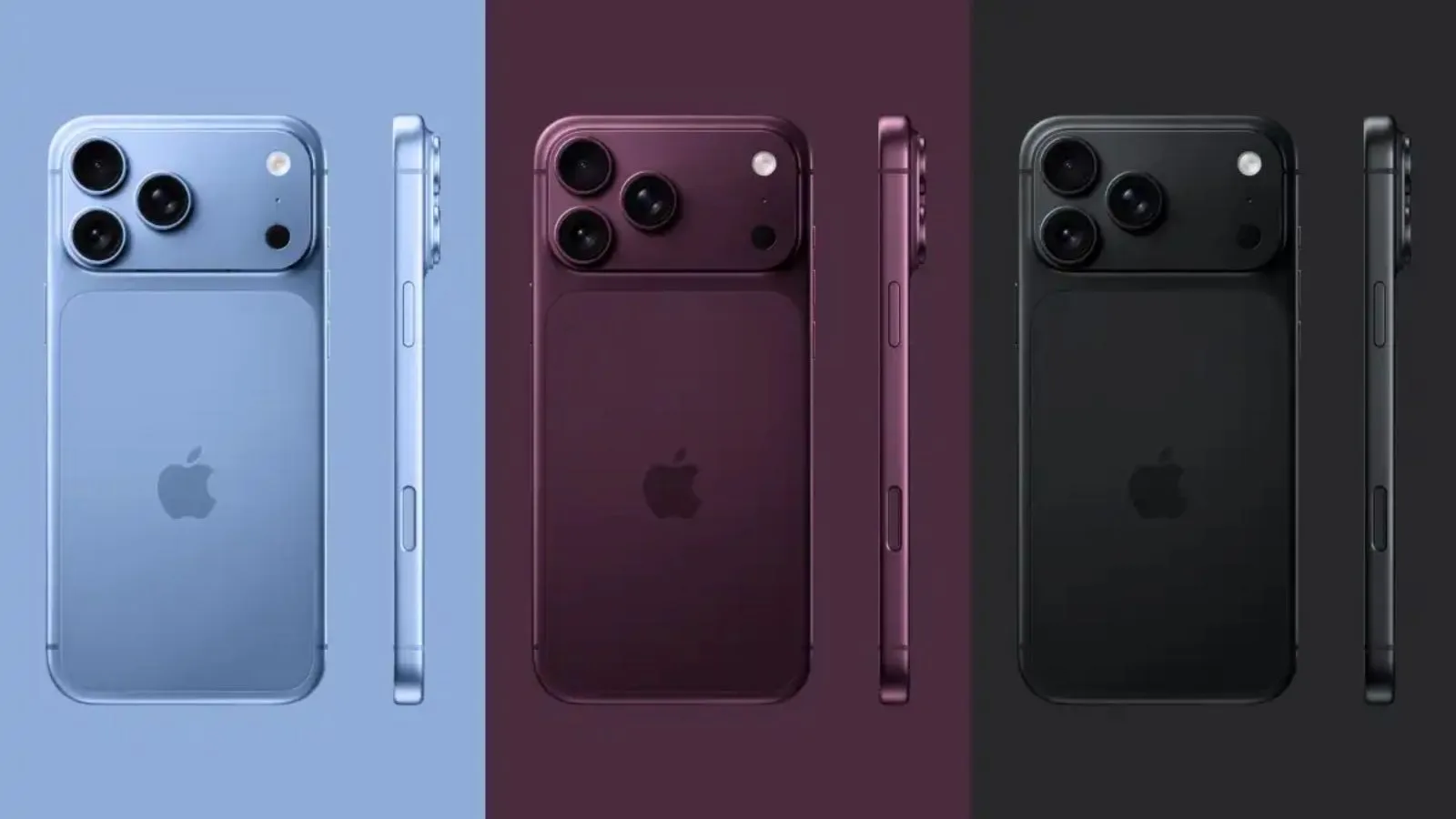
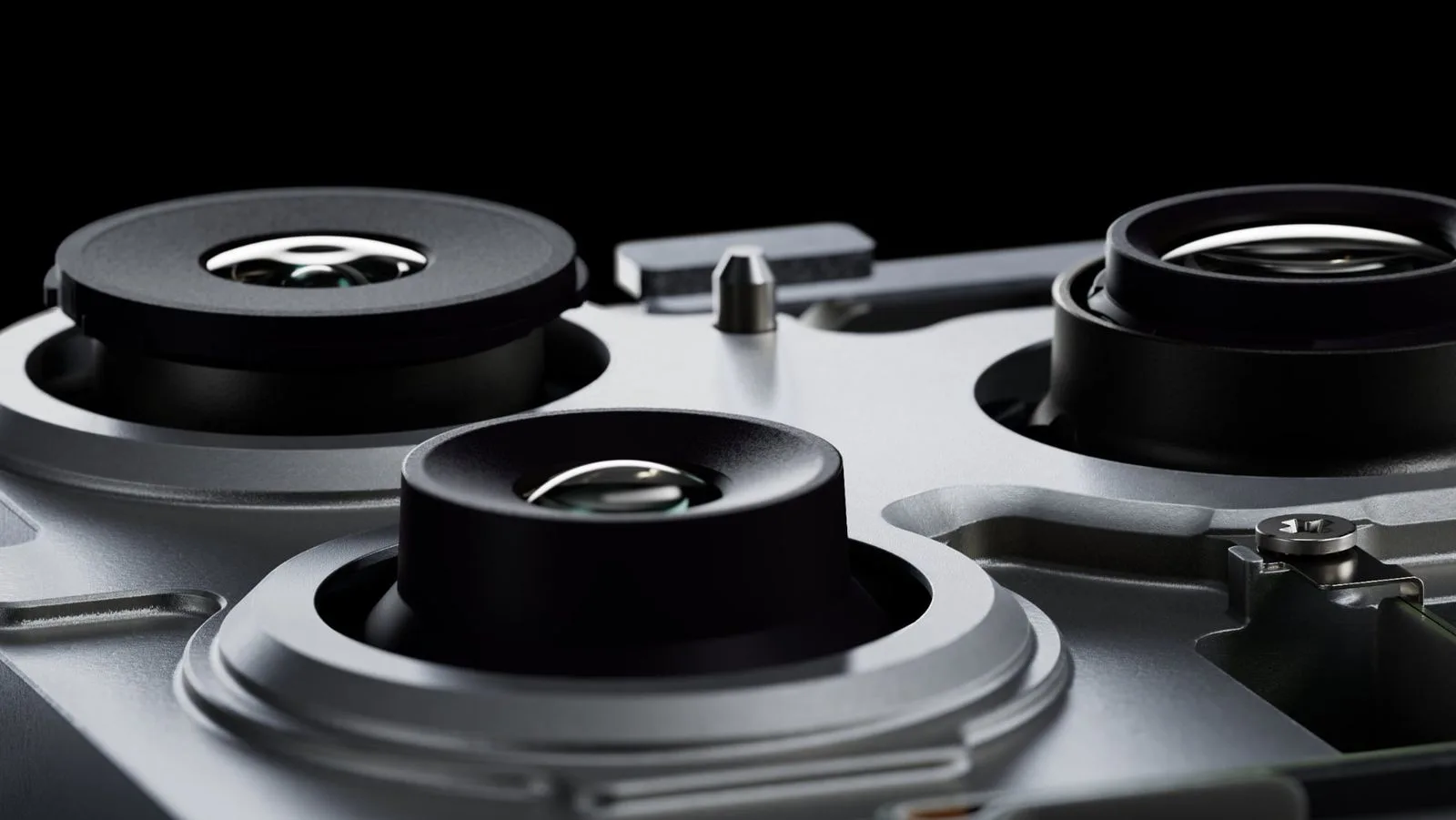
According to recent leaks, the main lens on the iPhone 18 Pro will physically open and close, mimicking a professional DSLR lens. Here is why that matters in the real world:
- Action & News Ready: Imagine trying to capture an exclusive scoop of a fast-moving car prototype, or recording an unscripted, high-velocity street event. Fixed apertures often lead to motion blur in tricky lighting. A mechanical iris adapts hardware-first, giving you pin-point sharpness on fast-moving subjects.
- True Optical Bokeh: We all know the struggle of Apple’s artificial ‘Portrait Mode’ unnaturally blurring the edges of hair or glasses. Variable aperture delivers a natural, optical depth-of-field based on physical light, not AI guesswork.
- Flawless Light Control: In low-light conditions, the lens will physically open wider (e.g., f/1.4) to swallow as much light as possible. In bright daylight, it shrinks down (e.g., f/4.0) to keep the entire landscape razor-sharp.
The Reality Check: Is It Flawless?
As a journalist, it’s crucial to hit the brakes on the hype train. Every new technology has its blind spots, and this upgrade faces two major hurdles:
1. The Laws of Physics: No matter how advanced the lens mechanism becomes, a smartphone sensor is still physically tiny compared to a full-frame DSLR. A smaller sensor will always capture less dynamic range and raw detail than a dedicated, bulky camera body.
2. The Over-Processing Problem: Apple’s current image processing philosophy heavily relies on aggressive Smart HDR and noise reduction, which often strips a photo of its raw, natural feel. If Apple slaps its heavy-handed AI sharpening over this premium variable aperture hardware, the pure “optical” advantage will be ruined by a plastic, over-processed look.
The Final Verdict
Will the iPhone 18 Pro make professional studio DSLRs obsolete? Absolutely not. Dedicated cameras will always rule high-end, controlled shoots.
However, for run-and-gun journalism, on-the-spot news coverage, and fast-paced photography, this is a monumental leap. It looks to be Apple’s most significant camera upgrade in half a decade because they are finally leaning back into pure optical science rather than relying solely on computational tricks.
If you are a visual storyteller capturing life on the move, holding onto your cash and skipping the current generation to wait for the 18 Pro might just be the smartest, most future-proof tech decision you can make.