- The Conflict: Apple Pay is “tap-based” (NFC), while India is “scan-based” (UPI).
- The Prediction: The 2026 launch will likely support credit/debit cards initially, not QR codes.
- The Hurdle: Privacy laws and zero-revenue models on UPI make it unattractive for Apple.
New Delhi: For nearly a decade, the arrival of Apple Pay in India has been the perennial rumor of the domestic fintech world. Now, with fresh reports pegging a definitive launch timeline for late 2026, the excitement among the iPhone faithful is palpable. But beneath the hype of seamless transactions lies a logistical reality check that few are discussing: In a country addicted to QR codes, will Apple Pay actually work with UPI?
While the headlines focus on the when, the real battle is about the how. And industry insiders suggest the answer might disappoint those hoping to uninstall Google Pay or PhonePe.
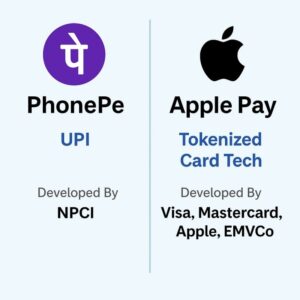
The Clash of Ecosystems The core issue isn’t technology; it is philosophy. Globally, Apple Pay is built entirely around Near Field Communication (NFC). The user experience is frictionless: double-tap the power button, hold the phone near a terminal, and walk away. It is designed to replace the plastic credit card in your wallet.
India’s digital payment revolution, however, was not televised via NFC—it was scanned via QR codes. Unified Payments Interface (UPI) processes billions of transactions monthly, the vast majority of which involve scanning a static code at a tea stall or a local kirana store.
“Apple rarely adapts its core hardware behavior for a single market, even one as large as India,” notes a Mumbai-based payments analyst. “Apple Wallet is designed for ‘Tap to Pay.’ Integrating a QR scanner into the Wallet interface fundamentally changes the user journey. It turns a one-step background process into a camera-based active process. That is un-Apple.”
The Regulatory Wall Beyond the user interface, the regulatory hurdles are significant. To offer UPI services, Apple would need to operate as a Third-Party Application Provider (TPAP), placing it in the same regulatory bucket as Google Pay and Amazon Pay.
This would require Apple to adhere to the National Payments Corporation of India’s (NPCI) strict guidelines on data localization and interoperability. Apple has historically been fiercely protective of its user data and reluctant to share transaction metadata with third-party servers—a prerequisite for the UPI framework.
Furthermore, unlike credit card transactions where the Merchant Discount Rate (MDR) offers a slice of revenue to the issuer, UPI is largely a zero-MDR regime for peer-to-peer and small merchant transactions. For a company like Apple, which typically demands a cut of every transaction (the “Apple Tax”), the business case for UPI is thin.
A Fragmented Future? If Apple Pay launches in late 2026 without UPI integration, Indian users may face a fragmented payment experience. They might use Apple Pay for high-value transactions at malls, airports, and premium retail outlets that support NFC terminals, while still relying on rival apps like PhonePe or Paytm for daily microtransactions.
It mirrors the early struggles of Samsung Pay in India, which only gained true traction after it integrated UPI scanning alongside its magnetic secure transmission (MST) technology.
For now, the 2026 timeline offers Apple a window to negotiate with Indian banks and regulators. But unless Cupertino decides to redesign its Wallet specifically for the Indian consumer, the iPhone may remain a device where you tap for luxury but scan for necessities.